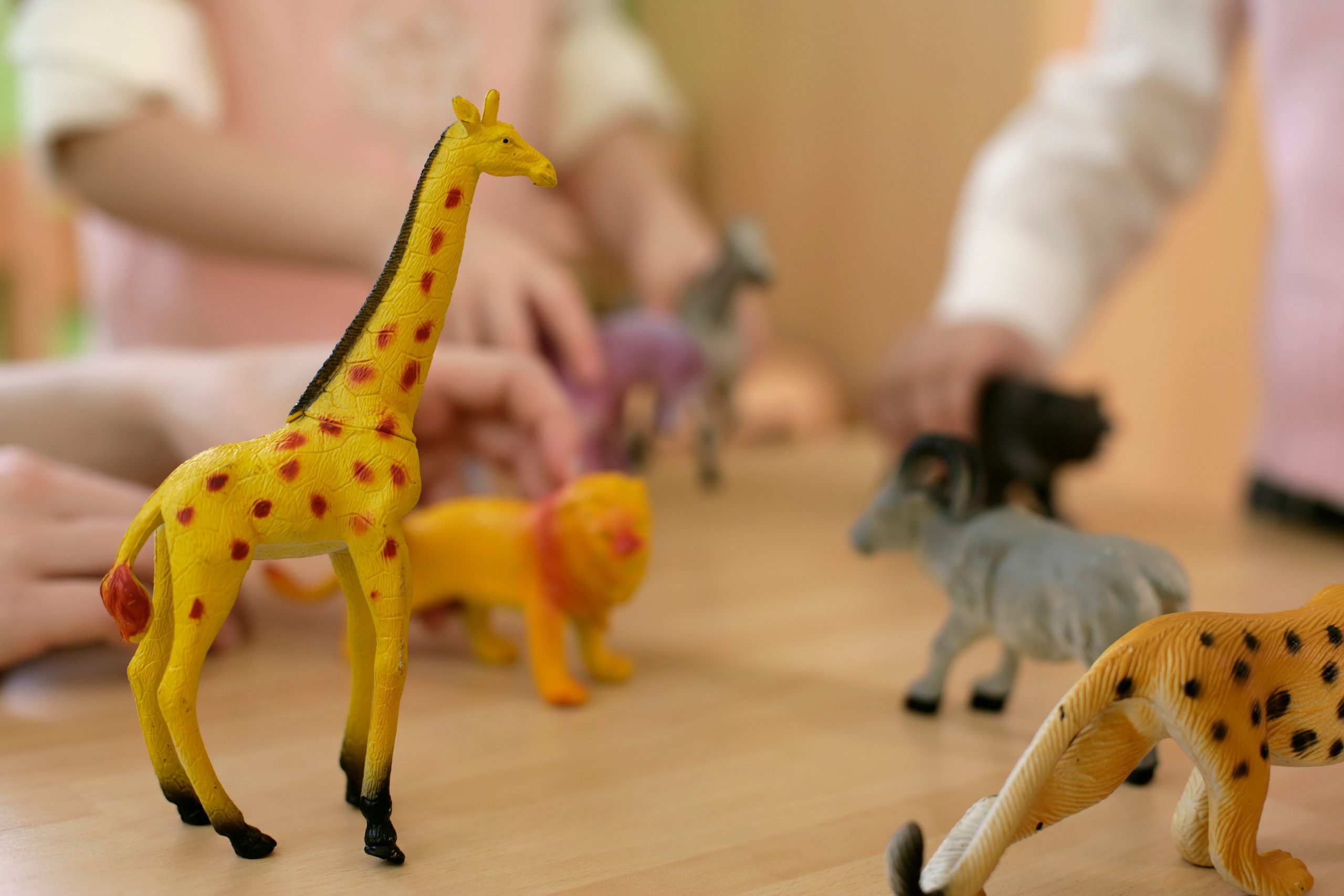
Welcome to Holistic Play Therapy
I provide 1to1 and group Play Therapy to primary and secondary schools across Warrington, Wigan, Ashton, Leigh and St Helens.
I am a PTUK‑accredited Play Therapist with over 30 years of experience supporting children and young people in a wide range of educational settings. I am also a certified AutPlay Therapist and a Filial Therapy Informed Practitioner.
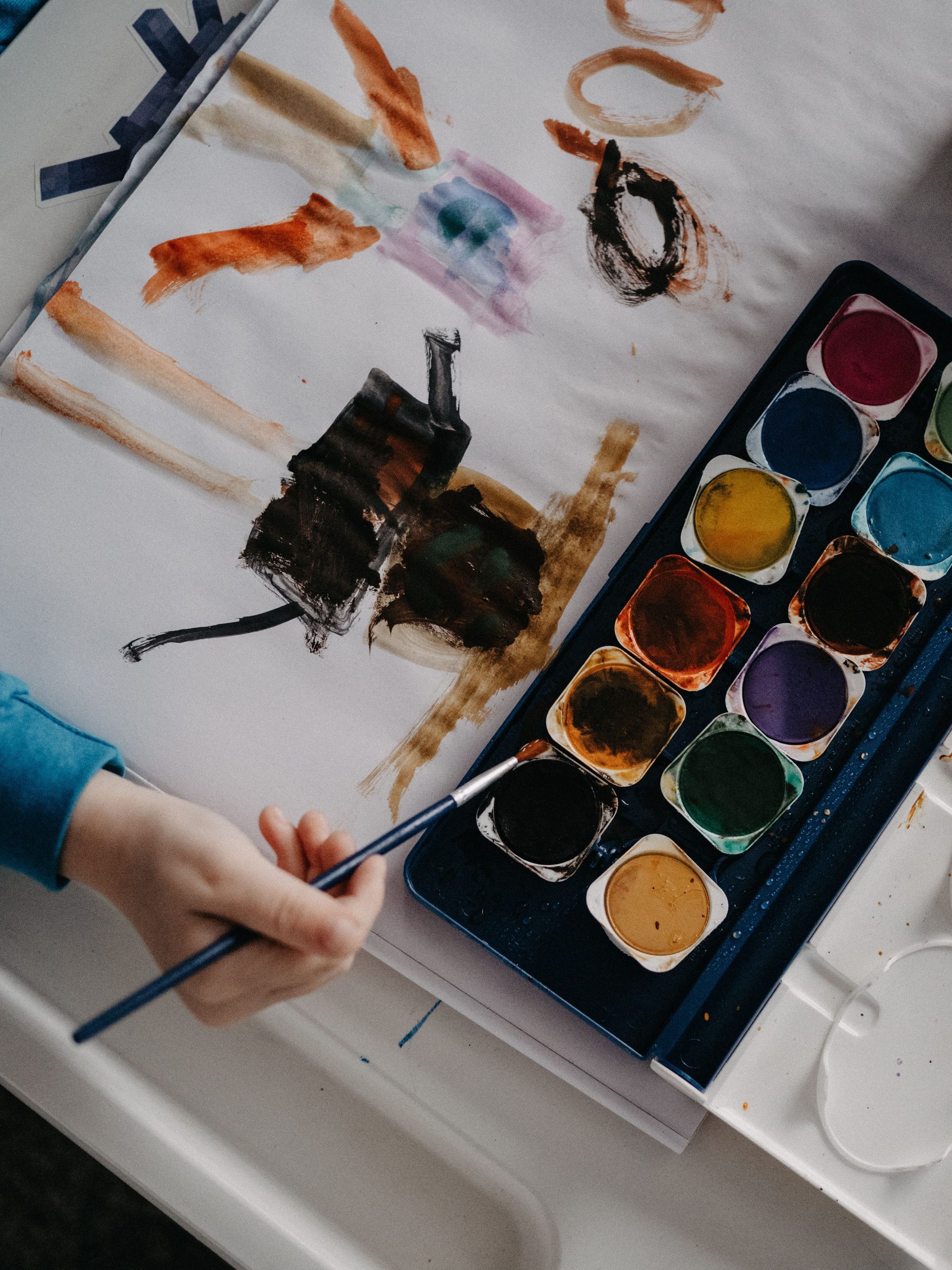

What is Play Therapy
Play therapy helps children express their feelings, understand their experiences, and build healthy coping skills through play.
Play therapy is a child‑centred therapeutic approach that uses play as the primary way for children to express themselves, explore their inner world, and make sense of their experiences. Because children naturally communicate through play rather than words, the playroom becomes a safe, supportive space where they can work through emotions, build confidence, and develop healthier ways of coping. Through creative activities, storytelling, role play, and sensory experiences, play therapy can help children improve emotional regulation, strengthen their ability to reflect on their behaviour, and learn new skills such as following instructions, problem‑solving, and expressing thoughts and feelings more clearly. It is especially helpful for children who have experienced stress, change, or trauma, or who struggle with attention, behaviour, or relationships.
What is Group Play Therapy
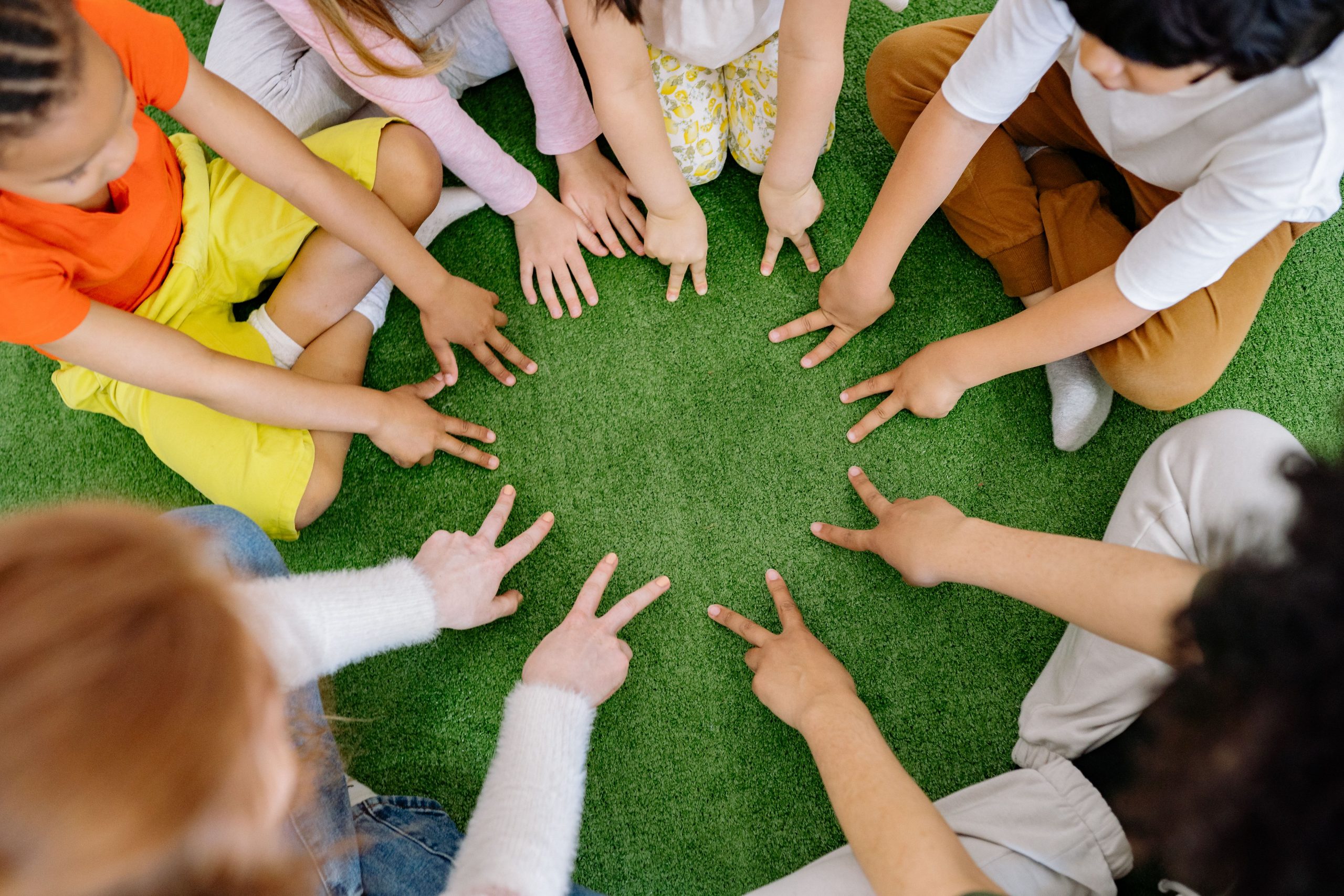
Group play therapy helps children build social and emotional skills by learning, playing, and connecting with peers in a supportive small‑group setting.
Group play therapy brings children together in a supportive, structured environment where they can learn, practise, and strengthen social and emotional skills through shared play experiences. In a school setting, it offers a safe space for pupils to explore feelings, build friendships, and develop cooperation, empathy, and problem‑solving in a natural, playful way. Working alongside peers helps children recognise different perspectives, manage conflict, and experience positive social interactions that they can transfer back into the classroom and playground. Group play therapy can be especially beneficial for children who struggle with confidence, emotional regulation, or peer relationships, giving them the chance to feel understood, connected, and capable within a small, nurturing group.

A bit about me
Play therapy helps children express their feelings, understand their experiences, and build healthy coping skills through play.
My career began as a Nursery Nurse, where I supported children with a variety of neurodiverse needs. I later worked as a Learning Mentor, supporting children and their families through individual work, parent workshops, and opportunities to develop their own skills. These experiences shaped my child‑centred approach and deepened my commitment to helping children feel understood, supported, and empowered through therapeutic play.
About Holistic Play Therapy
AutPlay Therapy
AutPlay Therapy is a neurodiversity informed and affirming collaborative process designed to value the individual child and highlight their strengths as well as guide areas of intervention, goals and approaches for addressing the needs of child and family. Providing purposeful mental health therapy for neurodivergent children and adolescents means supporting positive self-worth, taking a strengths-based approach creating affirming identity understanding and teaching advocacy.
The framework is designed to help child and play therapist address the mental health needs of neurodivergent children ages 3 – 18 (autistic children, ADHD, social anxiety, sensory differences, learning difficulties, highly sensitive and developmental and physical disabilities.
Filial Play Therapy
Filial therapy is a unique blend of play and family therapy where the therapist trains parents/care givers to conduct structured non-direct play sessions with their children at home. It positions the parent as the agent of change, helping to heal attachment issues, manage behavioural challenges and strengthen the parent child bond.